

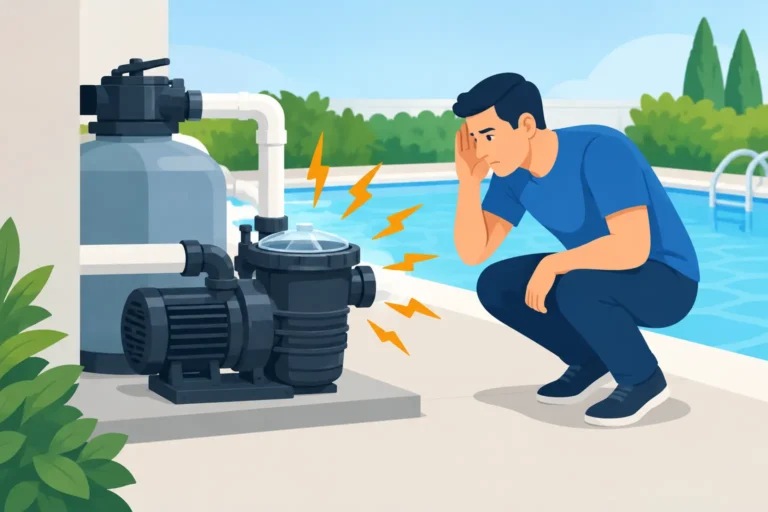
A pool pump should make a steady operating hum, not a sound that makes you avoid the backyard. If you are asking, “why is pool pump noisy,” the answer often lies in the type of noise, when it began, and whether the pump is still moving water normally. A new or worsening sound can point to a simple maintenance issue, but it can also be an early warning of motor, plumbing, or air-leak trouble.
A loud pump is not always an emergency. Still, ignoring a screech, grinding sound, repeated loss of prime, or a motor that hums without starting can turn a repairable problem into a full equipment replacement. The goal is to identify the source before the pump is damaged further.
Why Is Pool Pump Noisy? Start With the Sound
Pool equipment makes several different sounds during normal operation. Water moves through pipes, the motor turns, and the filter system creates some background vibration. What matters is a noticeable change: a pump that suddenly gets louder, develops a sharp whine, rattles against the pad, or struggles to circulate water.
The sound can help narrow down the problem, although it does not replace a hands-on inspection. Pumps combine electrical components, fast-moving parts, and pressurized plumbing. A technician should confirm the cause before a major repair decision is made.
A high-pitched whine or screech
A high-pitched whine often comes from worn motor bearings. Bearings support the motor shaft as it spins. As they wear, the motor may become louder gradually, then develop a sharp metallic or squealing sound.
Bearing noise is especially common on older pumps or pumps that have run for long periods with leaking shaft seals. When a shaft seal leaks, water can reach the motor area and shorten bearing life. Most modern pool pump motors have sealed bearings, so adding oil is not a reliable fix and can create additional problems. Depending on the motor’s age, condition, and cost, replacing the motor or replacing the entire pump may make more sense than a bearing repair.
Grinding, metal-on-metal noise, or harsh vibration
Grinding deserves prompt attention. It may indicate severely worn bearings, a damaged impeller, or internal motor damage. A broken or obstructed impeller can also make a rough sound while reducing water flow at the returns.
Harsh vibration can have a simpler cause, such as loose mounting bolts, an uneven equipment pad, loose plumbing supports, or a pump base that is no longer secure. But vibration should not be dismissed as merely annoying. It can loosen fittings over time, stress plumbing connections, and contribute to leaks around the equipment.
Rattling or clicking
A rattle can come from loose hardware, a cracked pump lid, a loose motor fan cover, or debris around the pump. Small stones, leaves, or broken basket pieces can reach the impeller area and create a ticking or rattling sound.
If the noise begins only when the pump is running at a specific speed, the issue may be vibration resonance rather than a failed motor. Variable-speed pumps can sound different at different RPM settings. Even so, a new rattle should be checked, especially if it occurs with poor circulation or visible movement in the plumbing.
Gurgling, surging, or a sound like the pump is sucking air
Gurgling usually means the pump is pulling in air. This is common when the pool water level falls below the middle of the skimmer opening, but air can also enter through a worn pump lid O-ring, a loose drain plug, a cracked valve, or a suction-side plumbing connection.
Air entering before the pump can cause the pump basket to fill with air, make the water flow surge, and lead to cavitation. Cavitation occurs when the pump cannot receive enough water and air bubbles collapse inside the pump. It can be noisy and damaging if allowed to continue. You may also see air bubbles blowing from the return jets or notice the pump repeatedly losing prime.
A low hum with little or no water movement
A pump that hums but does not start correctly may have a seized motor, jammed impeller, or failing capacitor. Turn the pump off rather than repeatedly trying to restart it. Repeated start attempts can overheat and damage the motor.
If the pump trips a breaker, smells hot, emits smoke, or has a damaged cord or electrical connection, leave it off and arrange for qualified service. Electrical issues should never be handled by removing wiring covers or attempting an improvised repair.
Safe Checks Before Scheduling a Repair
Start with the easy, visible conditions. Make sure the pool water level is at least halfway up the skimmer opening. Low water allows the skimmer to pull air, which can make the pump louder and interfere with circulation.
With the pump turned off at the breaker, inspect and empty the skimmer and pump baskets. A packed basket limits water flow and makes the equipment work harder. Check the pump lid for cracks and make sure it is seated evenly. Inspect the lid O-ring for flattening, tears, or dry spots. A clean, undamaged O-ring with a light coating of pool-approved silicone lubricant can help maintain a proper seal.
Look around the equipment pad for dripping water, white mineral buildup, puddles, or wet soil. Also check whether the pump is firmly mounted and whether any pipes visibly shake while the pump runs. These observations are useful when explaining the issue to a repair technician.
A dirty filter can also contribute to circulation problems. Check the filter pressure gauge against the normal clean-pressure reading for your system. If the pressure is substantially higher than normal, clean or backwash the filter according to the manufacturer’s instructions. Do not close valves or change plumbing settings unless you understand how your circulation system is configured.
Avoid opening the motor, removing electrical covers, or reaching into the impeller area without fully disconnecting power. A pump can restart unexpectedly if an automation schedule is active or if power is restored at the breaker.
When Noise Points to a Plumbing or Leak Problem
Not every loud pump needs a new motor. A suction-side air leak, failing valve, cracked fitting, or underground plumbing issue can create pump noise while reducing circulation. If the noise is accompanied by unexplained water loss, air bubbles at the returns, recurring loss of prime, or wet areas near the equipment, the system should be inspected as a whole.
This is where proper diagnostics matter. An equipment inspection can identify visible leaks, seal failures, and damaged fittings. When a hidden plumbing problem is suspected, pressure testing can determine whether a line is holding pressure. Acoustic listening and other specialized methods may then help pinpoint a concealed leak without unnecessary digging.
A clear diagnosis prevents the common mistake of replacing a pump when the real problem is an air leak or plumbing failure feeding the pump. It also prevents the opposite mistake: repairing a small fitting while overlooking a motor that is already failing.
Repair or Replace? It Depends on the Pump’s Condition
The right solution depends on the cause of the noise, the pump’s age, its efficiency, and the condition of the rest of the equipment. A loose fitting, worn lid O-ring, damaged basket, or clogged impeller may be a targeted repair. A leaking shaft seal should be addressed before it damages the motor.
For a motor with loud bearings, the decision is less straightforward. Replacing only the motor may be practical when the pump housing and plumbing connections are in good condition. If the unit is older, inefficient, or has multiple worn components, a replacement pump can provide better reliability and lower operating costs. The best choice should come with a clear explanation of the repair scope, parts involved, and expected value.
Variable-speed pumps add another consideration. They can make a different sound as speeds change, but they should not grind, screech, or lose prime. Programming, flow requirements, valve positions, and filter condition all affect how they perform.
Questions Homeowners Ask About Noisy Pool Pumps
Can I keep running a noisy pool pump?
A mild vibration or normal motor hum may not require immediate shutdown. Shut the pump off, however, if it is grinding, screeching, repeatedly losing prime, humming without starting, leaking heavily, smelling hot, or tripping the breaker. Running a compromised pump can increase repair costs quickly.
Can a dirty filter make my pool pump loud?
Yes, a severely dirty filter can restrict water flow and place extra strain on the circulation system. It is more likely to contribute to poor flow than a sharp mechanical screech, though. If cleaning the filter does not improve the noise, further inspection is warranted.
Why is my pump loud only after it starts?
A brief change in sound as the pump primes can be normal. Persistent gurgling, loud surging, or visible air in the pump basket is not. Check the water level and lid seal first, then have the suction side inspected for air leaks if the condition continues.
Does a noisy pump always need to be replaced?
No. Many noisy-pump concerns are caused by seals, fittings, debris, mounting issues, or air leaks. Replacement becomes more likely when a motor has failed bearings, serious electrical damage, or an age and repair cost that no longer justify rebuilding the unit.
If your pump’s sound changed suddenly, treat that change as useful information, not background noise. Coastal Pool Repairs and Leak Detection can inspect the equipment, plumbing, and circulation conditions behind the symptom, then provide a clear repair recommendation before work begins. Acting while the pump is still operating may protect your equipment and get your pool back to quiet, dependable circulation sooner.
