

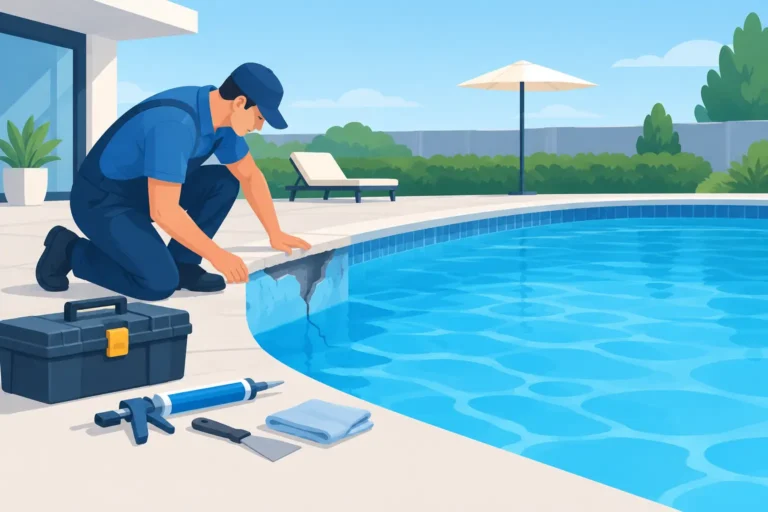
A pool can lose several inches of water overnight, send air through the returns, or leave a puddle beneath the equipment pad with little warning. When that happens, an emergency pool repair service helps protect more than pool time. Fast, informed action can prevent equipment damage, water waste, electrical hazards, and a repair that grows more expensive by the day.
For homeowners in Monroe and across the Atlanta-area service network, the first priority is not guessing where the problem is. It is making the pool safe, preserving useful clues, and getting a qualified technician involved before a small failure turns into structural or equipment damage.
When a Pool Problem Is an Emergency
Not every pool issue requires an after-hours response. Normal evaporation, a slightly dirty filter, or a cosmetic tile concern can usually wait for a scheduled service visit. An emergency is a problem that creates a safety risk, threatens major equipment, or allows uncontrolled water loss.
A visible leak at the pump, filter, heater, chlorinator, or plumbing connections deserves prompt attention. Water around electrical equipment can be dangerous, especially if the source is unclear. A pump that is running dry, making a loud grinding sound, or repeatedly losing prime should also be shut down and inspected. Continuing to run it can damage seals, bearings, and internal components.
Rapid water loss is another clear warning sign. If the water level is dropping well beyond normal evaporation, do not keep adding water without finding the cause. A concealed plumbing leak can wash away soil around the pool or beneath a deck. In a vinyl liner pool, a tear or separation can worsen quickly as water pressure changes. In a concrete or fiberglass pool, cracks, failed fittings, skimmer damage, or plumbing leaks may be involved.
Other situations that call for immediate help include a damaged suction line, a broken return fitting, a major liner tear, a leaking skimmer, or equipment that trips a breaker. If you smell burning, see damaged wiring, or suspect an electrical issue, turn off power at the breaker if it is safe to do so and keep people away from the equipment area.
What to Do Before Help Arrives
The right first steps depend on the symptom. Avoid the urge to dismantle plumbing, add sealers, or repeatedly restart equipment. Those actions can obscure the source of the problem or create additional damage.
If water is leaking from the equipment pad or a line near the pump and filter, switch the pump off. If the leak continues with the system off, make a note of that detail. It helps narrow the diagnosis toward the pool shell, a gravity-fed line, or a component that is leaking independently of pump pressure.
If water loss appears to stop or slow significantly when the pump is off, the issue may involve a pressurized return line, fitting, or equipment connection. That is useful information, but it is not a final diagnosis. A trained technician still needs to test the system and inspect the pool.
Keep the water level from falling below the skimmer opening unless you have been specifically instructed otherwise. A low level can pull air into the circulation system and leave the pump without adequate water. For a vinyl liner pool, avoid draining the pool without professional direction. Draining can cause the liner to shift, wrinkle, or shrink, and groundwater conditions can create additional risk.
Take a few clear photos of puddles, wet spots, damaged fittings, and the current waterline. If you know when the loss began or whether it changes while the pump runs, write that down. These details do not replace testing, but they give the repair process a more efficient starting point.
How an Emergency Pool Repair Service Finds the Real Problem
Water does not always leak where it appears. A wet area near the equipment pad may be caused by a failed union or pump seal, while a wet spot in the yard can point to an underground plumbing issue several feet away. Repairing the first visible symptom without diagnosis can mean paying for the wrong repair.
Coastal Pool Repairs and Leak Detection approaches urgent problems with a diagnostic process suited to the pool type and symptoms. Concrete, fiberglass, and vinyl liner pools each have different failure points, so the method should fit the pool rather than follow a one-size-fits-all routine.
Pressure Testing for Hidden Plumbing Leaks
Pressure testing isolates plumbing lines and checks whether they can hold pressure. A loss in pressure may indicate a leak in a suction line, return line, cleaner line, or other underground plumbing run. This testing helps determine whether excavation is necessary and, just as importantly, which line needs attention.
Acoustic Listening and Targeted Location Work
When a buried pipe is suspected, acoustic listening equipment can help locate the sound created by escaping water or air. Conditions such as pipe depth, soil type, and the size of the leak affect how clearly a leak can be pinpointed. The goal is to reduce unnecessary digging and focus repairs on the affected area.
Dye Testing and Shell Inspections
Dye testing can reveal water movement around cracks, fittings, skimmers, light niches, steps, and suspected liner damage. Technicians also inspect tile, coping, plaster or surface conditions, penetrations, and visible structural areas. In vinyl pools, close inspection of seams, corners, steps, and the liner floor can identify tears or separations that are easy to miss.
Thermal imaging and equipment inspections may also be appropriate when temperature differences or moisture patterns help identify a problem. No single test answers every question. Reliable emergency repair begins with matching the diagnostic tools to the evidence.
Common Urgent Repairs and What Affects the Scope
Once the source is confirmed, the repair can range from a straightforward equipment correction to a more involved plumbing or structural project. A leaking pump seal, failed valve, cracked filter component, or damaged union may be repaired or replaced at the equipment pad. The best option depends on the component’s age, condition, availability of parts, and whether replacement offers better long-term reliability.
Underground plumbing repairs require a different plan. The location of the damaged line, deck access, landscaping, pipe condition, and the presence of multiple weak areas all affect the scope. A targeted repair may be appropriate for a single isolated break. If testing indicates broader deterioration, homeowners deserve a clear discussion about the likelihood of future failures before deciding how far to go.
Vinyl liner repairs can sometimes be completed with a professional patch when the liner is otherwise in good condition and the damage is limited. A brittle, faded, shrinking, or repeatedly damaged liner may be better served by replacement. Similarly, a cracked skimmer, failed tile line, deteriorated concrete, or surface damage may require repairs that address both water loss and the pool’s long-term condition.
A clear estimate should explain what was found, what repair is recommended, what alternatives exist when appropriate, and what warranty coverage applies. Emergency service should feel urgent, not rushed. You should understand the work before it begins.
Why Waiting Can Cost More
Pool leaks rarely improve on their own. Water moving through soil can erode support around plumbing, decking, or the pool structure. Constantly refilling a pool changes water chemistry, increases utility costs, and can mask the rate of loss that would otherwise help identify the issue.
Equipment problems also compound. A pump operating with low water flow can overheat. A damaged filter or plumbing connection can reduce circulation and allow water quality to decline. In Georgia heat, that can quickly turn a repair problem into a cleanup and balancing problem as well.
The practical balance is simple: act quickly when there is active water loss, an electrical concern, or equipment at risk, but insist on evidence before authorizing an invasive repair. Skilled diagnostics protect your pool and help avoid unnecessary work.
Questions Homeowners Often Ask
Can I use the pool while it is leaking?
Do not use the pool if the water level is dropping rapidly, electrical equipment is involved, plumbing is visibly damaged, or the leak’s source is unknown. Even when the issue seems minor, using the pool can make it harder to monitor water loss and may worsen liner or fitting damage.
Should I keep adding water?
Add only enough water to keep the level above the skimmer if the pump must remain off and a technician has not advised otherwise. Repeatedly filling the pool without addressing the source wastes water and can conceal the severity of the leak.
How quickly can a leak be repaired?
Timing depends on the diagnosis and repair type. An equipment repair may be completed quickly when parts are available. An underground line, structural concern, or liner replacement can require more planning. Accurate testing is the fastest path to a repair that actually solves the problem.
If your pool is losing water, your equipment is leaking, or circulation has failed, document what you see, shut down unsafe equipment, and request professional help promptly. A careful response now gives you the best chance of restoring the pool with a repair that is clear, targeted, and built to last.
